
Morning Plenary and Ceremonies
September 24, 25, and 26, 2026
8:00 am - 9:00 am PST
This year, IVAT will host a Plenary each morning prior to Summit sessions.
September 24th Plenary
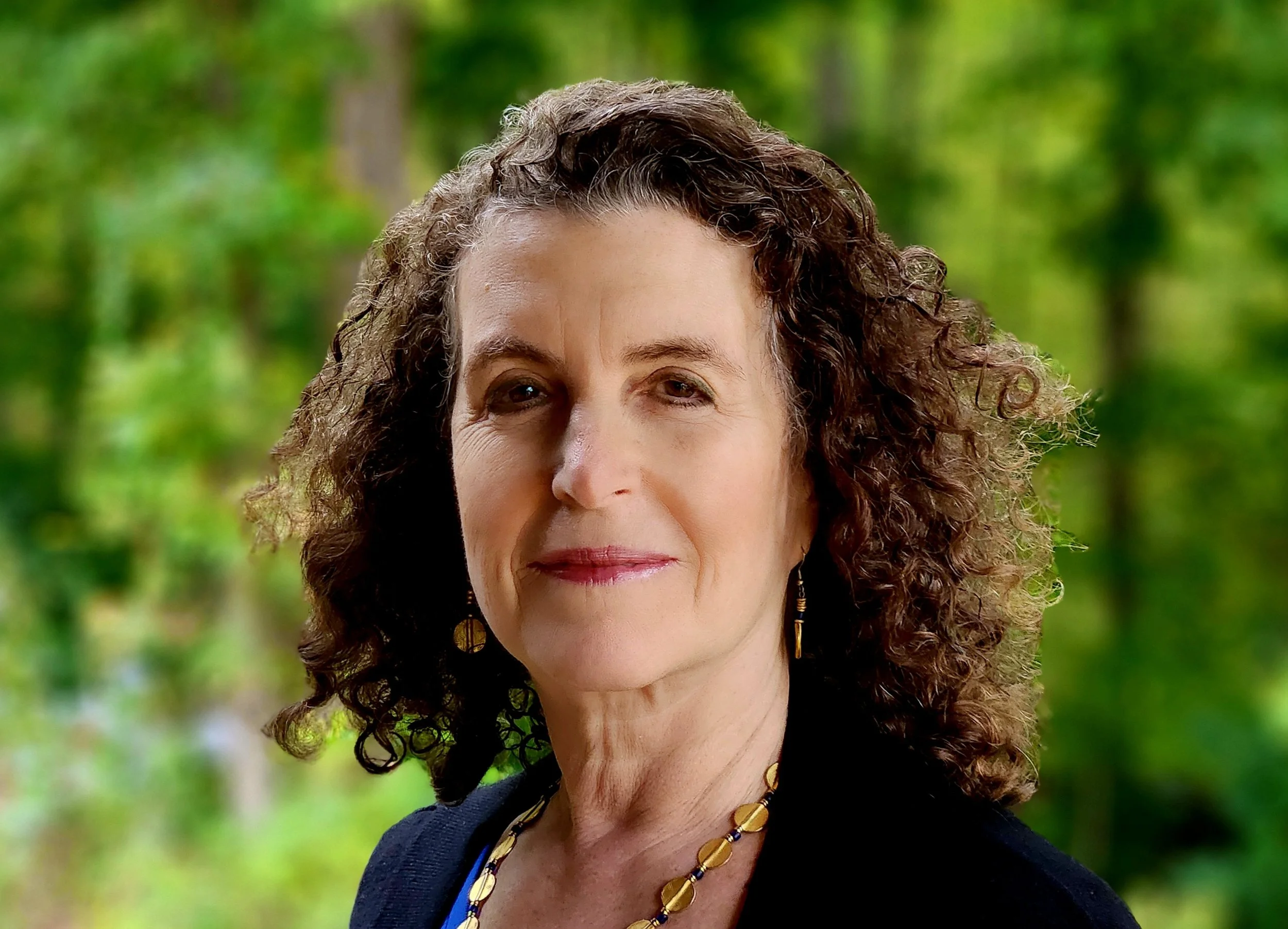
Lisa A. Fontes
Lisa A. Fontes, PhD, is an internationally known expert on coercive control, child abuse, intimate partner abuse, and sexual violence. She is a researcher, professor, expert witness, and author. She wrote the second book ever written on coercive control: Invisible Chains: Overcoming Coercive Control in Your Intimate Relationship. She also wrote: Child Abuse & Culture: Working with Diverse Families, and Interviewing Clients Across Cultures. Dr. Fontes has trained professionals from a variety of fields in 40 U.S. states and in several other nations, in English, Spanish, and Portuguese. She is a popular speaker. She has appeared recently on CNN, in The New York Times, the Boston Globe, NPR and more. You can find her writing in academic journals and in Domesticshelters.org and PsychologyToday.com, where millions have read her columns. Dr. Fontes serves as an expert witness in family, civil, and criminal courts on a range of cases. She is also a survivor of several types of abuse.
Plenary Topic: Chemical Submission: Drugging an Intimate Partner as an Abuse Tactic
In criminal and violating acts, some domestic abusers give drugs to an intimate partner without their knowledge. We don’t really know how common this is. Most of the time, victim-survivors who have been drugged are not certain what happened. They may wake up groggy and believe they are hungover, or that their head is clouded from a medication or illness. If the abuser drugs them often, they may routinely feel weak, confused and physically or mentally ill. They may feel grateful and dependent on the (abusive) partner who seems to be taking care of them.
Coercively controlling abusers drug their partners to control, disable, discredit, and sexually assault them. We will discuss high profile cases in the news such as Pelicot in France, Sean Diddy Combs, and Bill Cosby. We will also discuss more everyday manifestations that may be in your caseload and mine. We will also learn about terms such as chemsex, pharmacosex, chemical submission, and needle spiking.
September 25th Plenary
Dana Tingey and Leah Moses
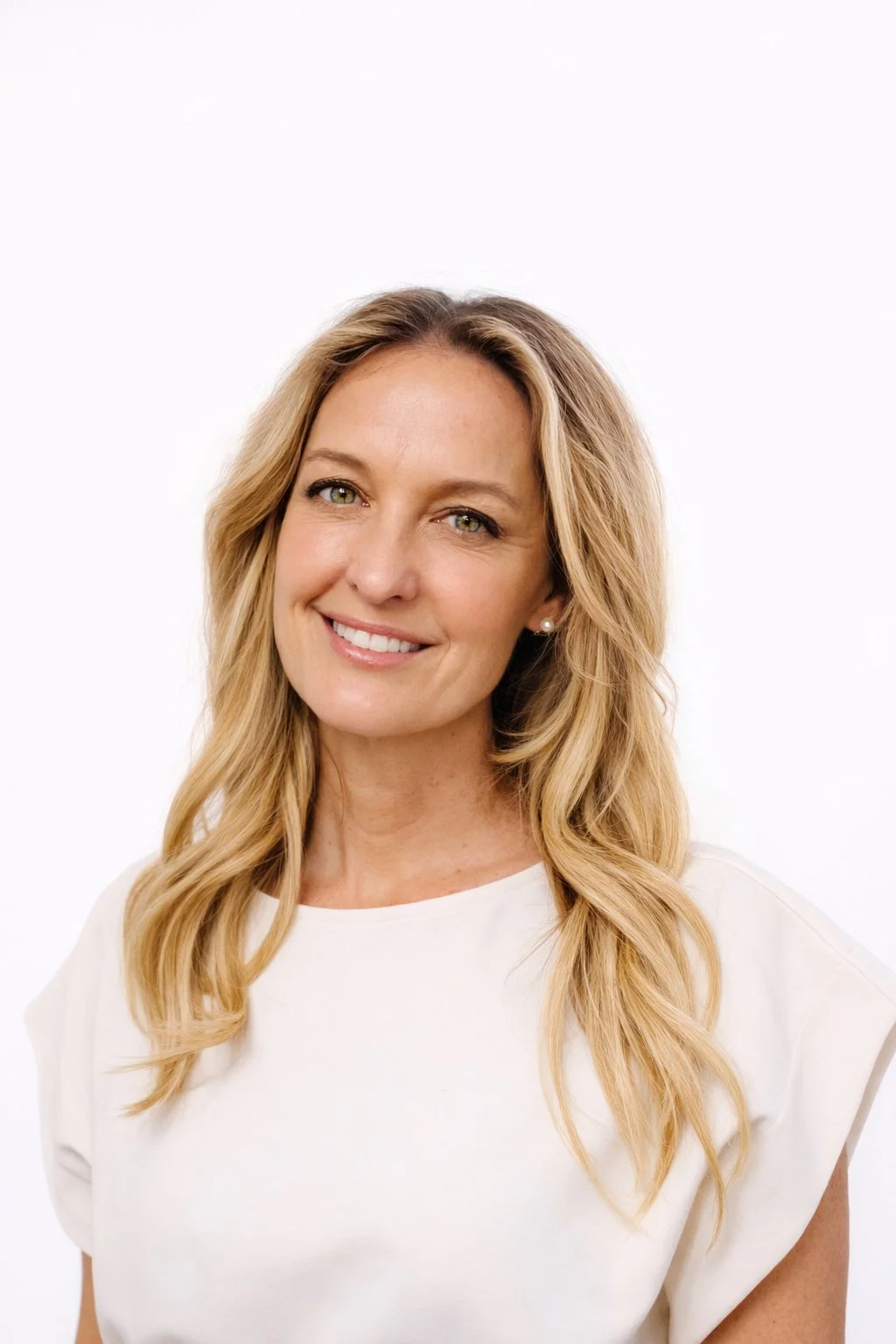
Leah Moses
Leah Moses is the mother of Om Moses Gandhi, who was killed at age 16 in Salt Lake City by his abusive father following prolonged contested child custody proceedings. Since Om’s death, she has partnered with state lawmakers, domestic violence coalitions, survivor stakeholders and national model code authors including the National Family Violence Law Center to enact safer public policy for children and survivors. She serves on the executive board of the Utah Domestic Violence Coalition and co-founded its Survivor Policy Engagement Committee. Leah holds a Master of Science from Columbia University, a Master of Fine Arts from the University of Utah, and an undergraduate from Brigham Young University. She is a board-certified midwife and Advanced Practice Director of Women’s Health Midwifery at Intermountain Health. Her clinical work focuses on women’s health literacy and the physiologic impacts of interpersonal violence, informing her work in championing compassionate healthcare, dignified survivorship, and safe policy.
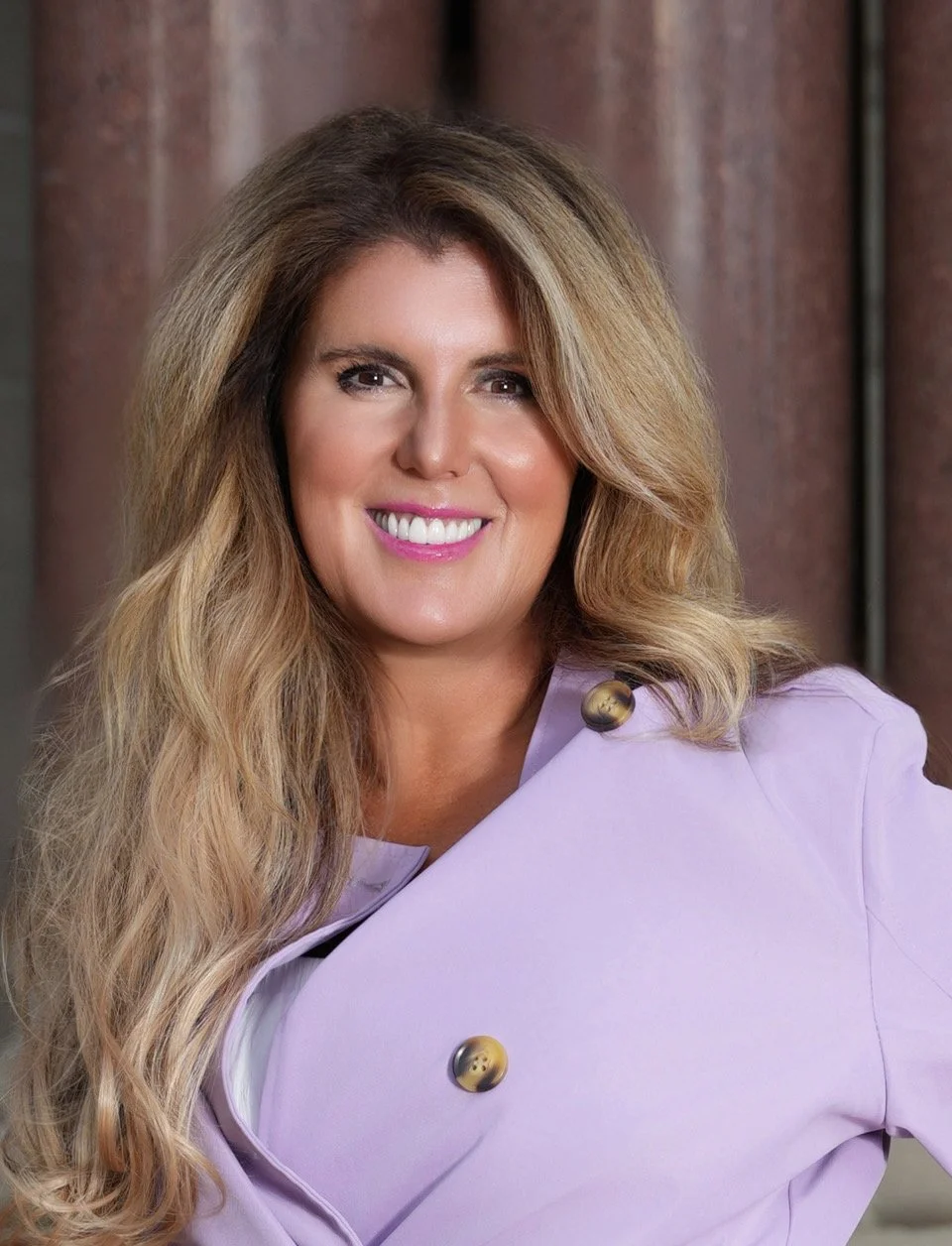
Dana Tingey
Dana Tingey is a domestic abuse victims advocate and founder of High Ground Divorces + Advocacy, specializing in complex family court cases involving coercive control and non-physical abuse. With over 25 years of consulting experience and extensive training in interpersonal violence and family court systems, she works alongside attorneys to support case strategy, documentation, and trial preparation. Her work focuses on translating lived experience into structured, evidence-based formats that improve clarity and credibility in court proceedings. Dana collaborates with national advocacy organizations and policymakers to advance survivor-informed practices and is dedicated to addressing the gap between statutory protections and their real-world implementation in family court.
Plenary Topic: When Systems Fail: Survivor Reality and the Gap Between Law and Protection in Family Court
Grounded in both practice-based expertise and a sentinel lived experience narrative—illustrating one of the most severe outcomes when survivors and children remain unsupported—this session brings into focus the complexity, intensity, and often underrecognized danger of custody litigation in the context of abuse. For those newer to this work, it highlights how family court involvement can become a setting where coercive control persists, risk escalates, and critical warning signs are minimized or missed.
The address will examine how trauma affects survivor and child presentation and communication, including patterns often misinterpreted as noncompliance, inconsistency, or lack of credibility. It will also address the prevalence of child maltreatment concerns in contested custody cases and the systemic tendency to misclassify or discount these risks. The audience will be introduced to a structured, practical approach to evaluating survivor testimony to improve response clarity and preserve the integrity of lived experience realities. The session will also incorporate explanation of evolving policy efforts, including recent federal and state reforms (such as provisions modeled after the Keeping Children Safe from Family Violence Act), aimed at prioritizing child safety and strengthening standards for decision-making.
Attendees will leave with a clearer understanding of the stakes, increased awareness of system-driven harm, and practical tools to better interpret survivor and child experiences in high-risk cases.
September 26th Plenary
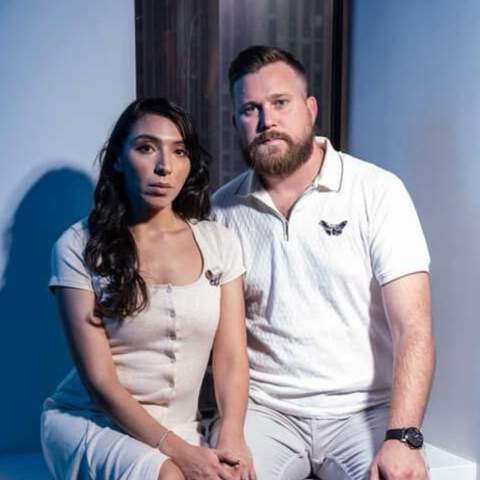
Sky and Amanda Roberts
Sky and Amanda Roberts are the brother and sister-in-law of Virginia Roberts Giuffre, the most prominent survivor of Jeffrey Epstein and Ghislaine Maxwell. Her fearless testimony against them brought their child sex-trafficking ring down and resulted in their criminal charges and imprisonment. She devoted her life to fighting on behalf of survivors of sexual assault and trafficking, until her death in April, 2025. Sky and Amanda have picked up where she left off and become fierce and vocal advocates.
Sky and Amanda were instrumental in the passage of the Summer Willis Act in Texas and the Epstein Files Transparency Act federally, which forced the Department of Justice to release millions of files pertaining to Jeffrey Epstein and Ghislaine Maxwell to the public. Today, they are advocating for Virginia's Law to pass, a law abolishing the statute of limitations on sex trafficking nation-wide. The two appear in major media networks regularly.
Plenary Topic: A Conversation with Sky and Amanda Roberts, Brother and Sister-in-Law of Hero Virginia Roberts Giuffre
Since the death of their sister, Virginia Roberts Giuffre, Sky and Amanda Roberts have spent over a year advocating against sex trafficking and domestic abuse in her name on issues across the United States and over the world. In this session, they will speak about their experiences campaigning for legislation at both the state and federal level, such as the Summer Willis Act in Texas, to close the loop-hole on rape of a voluntarily intoxicated person, the Epstein Files Transparency Act, and Virginia's Law. They will also discuss becoming part of the Epstein survivor community, forming close bonds with the "survivor sisters," and what that has meant for them. The past year has been a complex journey of learning how to navigate Washington D.C. (both figuratively and literally), legal advocacy, and entering the media sphere, and they are excited to delve into it all at IVAT.